
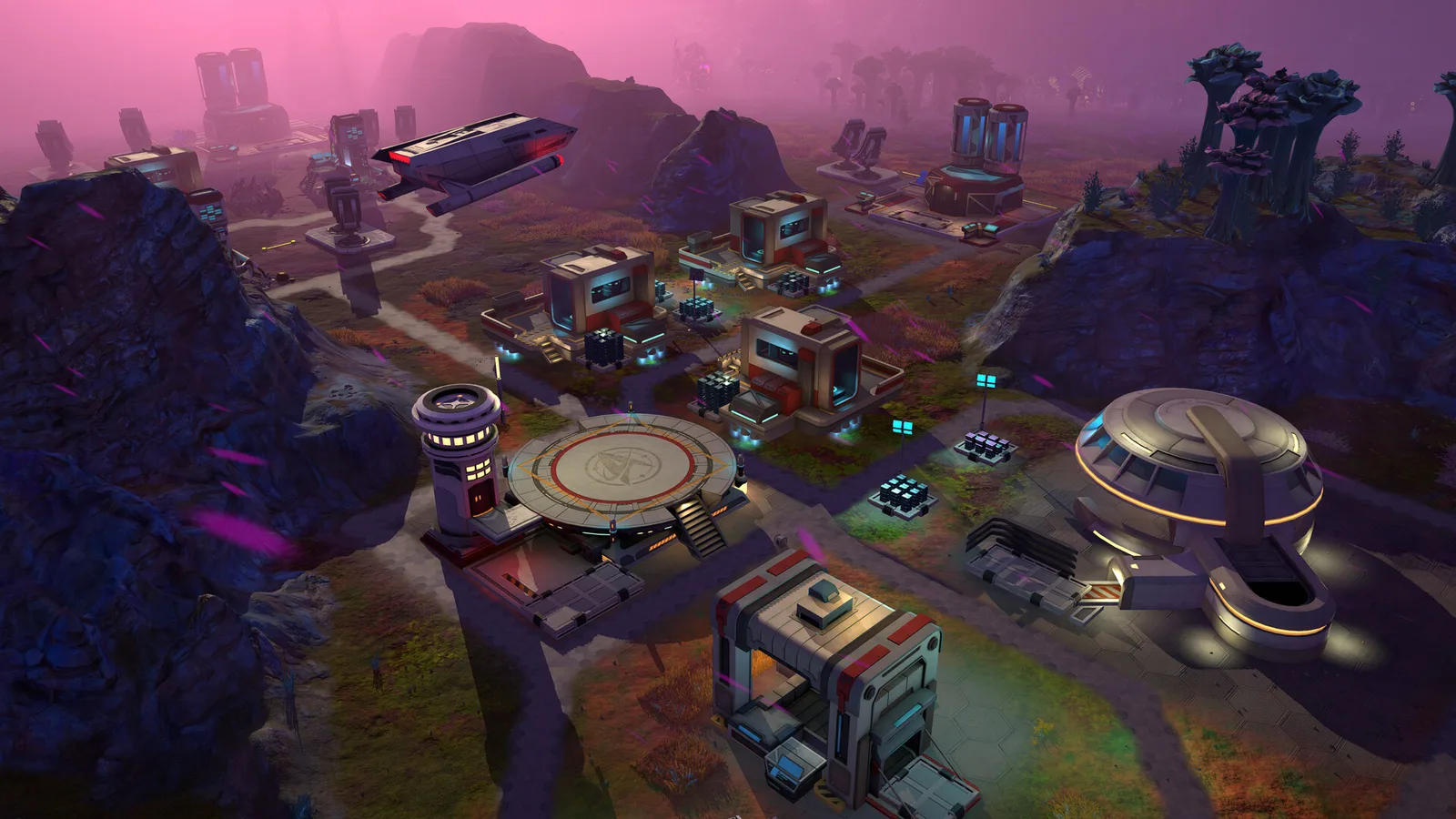
Official Steam screenshot · Magic Fuel Games / Playstack · TM & © 2026 CBS Studios Inc. Material statement.
The six documented responsibilities
The official demo announcement lists Command, Engineering, Medical, Navigation, Science, and Security. These are the responsibilities identified by the source, not a ranking of which crew members are strongest. Keeping those categories visible gives the management discussion a factual starting point without manufacturing character names or numerical bonuses.
The role list does not establish an optimal starting composition. A player may have a staffing question even when the categories themselves are clearly documented. The useful next step is to connect the intended work with the relevant assignment and support information, rather than infer a universal best team from the existence of six named responsibilities.
Task assignments are individual management decisions
The TrekNews demo review corroborates tracking individual assignments, health, fatigue, and skills. This places crew management within the ongoing work of the settlement rather than making it only a decision at the start of a session. The management question concerns what people are doing as well as who was initially selected.
The source does not turn those observations into a measured efficiency table. It supports paying attention to the individual information available in the demonstrated build. A practical guide should retain that context instead of attaching unverified percentages, work rates, or a best-crew ranking to the reviewer's account.
Starting choices in the recorded demos
RonEmpire's transcript around 08:20–10:05 documents the initial crew-choice screen. Retro-Badger's transcript around 04:31–04:44 independently records selecting between crew options. Together, the sessions corroborate that crew selection belongs to the opening, rather than leaving the subject dependent on one promotional description.
They do not compare every later outcome under identical conditions. A commentator's choice is evidence of what that player selected, not proof that the option is best for everyone. Use the recordings to understand the demonstrated choice while keeping an unsupported tier list or optimal opening composition out of the factual explanation.
Day and night behavior changed after the first demo
The post-demo developer log announces night shifts and local support facilities after the early demonstration. This means older observations about everyone returning to the ship at night need their original date. They should not be copied forward as if the later scheduling system had never been discussed.
The distinction is between a recorded early routine and a subsequent announced change. Neither should be silently substituted for the other when describing what a particular source shows. For current play, check the scheduling information actually presented by your build rather than assuming an early demonstration supplies a complete later shift guide.
Local support and ship reliance
The later Gamescom hands-on preview discusses local accommodation in relation to reliance on the ship. That places crew needs in the same planning context as outpost development. Support is therefore relevant to how work is organized, rather than a completely separate subject from the facilities being constructed.
The collected material does not establish a universal best arrangement of local facilities or a numerical schedule that works for every situation. It supports recognizing the relationship and checking the requirements actually involved. A useful crew plan should be understood alongside its support needs, without inventing exact capacities or guaranteed efficiency improvements.
Role-specific direct actions were announced
The developer's post-demo material announces direct actions associated with particular roles. Its examples include maintenance, treatment, and responding to threats. These are documented announced capabilities rather than conclusions inferred solely from the names Engineering, Medical, and Security.
The examples do not establish a tested ranking of how effectively every crew member performs them. Nor do they supply a complete final command catalog in the collected research. Use them to understand the direction of the announced management system, while keeping exact current options tied to the actual role and build information shown in the game.
Fatigue and work need to be read together
The demo review's individual fatigue tracking is relevant to an assignment question because the crew is part of an operating settlement. Reading assignments in isolation would omit some of the support information the source describes. The useful management question is whether the intended work and the documented needs of the people doing it are being considered together.
This is a qualitative planning principle, not an unverified rest formula. The research does not establish a particular threshold, ideal shift length, or measured best work schedule. Avoid importing those numbers from another game or treating one recorded session as a complete experiment on crew efficiency.
Does the starting team settle later staffing?
The recordings establish that crew selection is part of the opening. The review and later developer material describe continuing assignments, support, and scheduling concerns beyond that initial choice. A starting selection should therefore not be treated as a complete answer to every later personnel question.
This is another reason not to turn the available options into an unsupported best-crew list. The collected sources do not compare all subsequent situations under controlled conditions. They support understanding responsibilities and work relationships, while leaving a universal numerical ranking outside the verified material.
Use the current task and the individual information available in the game to frame the next management decision. Check the role, assignment, and relevant support rather than assuming the opening choice removes the need for further attention. That approach follows the documented system without inventing character bonuses or a guaranteed schedule that the research has not established.
A practical crew-management approach
Identify the work that needs attention, the relevant role or assignment, and the support information associated with the people carrying it out. Check how the current build presents scheduling rather than assuming the earliest routine is still the only option. This brings together the documented responsibilities, individual tracking, and later announced changes without creating a fictional optimization system.
Use the building and resource pages when a personnel decision is connected to another dependency in the outpost. Use the walkthrough only for the opening choices that the two demonstrations actually corroborate. The result is a factual framework for managing the crew, not a fabricated list of best characters, bonuses, or guaranteed outcomes.
Sources and update context
This page uses the official information collected for the October 18, 2026 research pass. Pre-release descriptions may change. Refer to the current storefront and developer announcements for availability and launch details.
- Official demo announcement
- Captain’s Devlog #1
- TrekNews — Outposts Unknown Demo Delivers a Relaxing Star Trek Spin on City Building
- But Why Tho? — Star Trek: Outposts Unknown Is A Star Trek Colony-Sim In Every Way
- RonEmpire — Full Gameplay, Steam Next Fest demo
- Retro-Badger-Gaming — Demo Playthrough with Commentary